
Vox AC30 - Rexine and Vynide (basketweave etc.)
1957 - early 1963
Rexine, a trade name for a "leather cloth" covering, was produced from the 1920s to the early 1960s by the Leather Cloth Division of the Imperial Chemicals Company (ICI) at Hyde in Cheshire. The cloth sold well, numerous manufacturers taking advantage of it for the covering of books, radios, record players, chair and stool seats, and so on. In the mid 1950s ICI scaled back production in favour of Vynide, but Rexine continued to be produced at Hyde. Wardle Storeys, based near Manningtree in Essex, later took over the rights to the name in the UK and the USA (1990s), having applied for the trademark in Australia as far back as 1943.
Vynide - also a species of "leather cloth" - was ICI's successor to Rexine, harder wearing and thicker. It became a popular covering for car seats among many motor vehicle manufacturers. JMI began using it from 1961.

A shot of the ICI Leather Cloth factory from a 1960s staff brochure.
The salient characteristics:
REXINE: fine cotton or linen weave backing, sometimes paper. Three main layers on top - (1) a sealer to seal the fabric; (2) a pigmented nitro-cellulose layer, which could be embossed with patterns by an embossing roller, or silk-screened; (3) a hard clear coat. Layers (1) and (2) are relatively soft. Rexine can become brittle with age.
VYNIDE: a thicker coarser woven backing. On top, a plasticised vinyl coating (polyvinyl chloride) on which patterns could be embossed, relatively deep ones if need be. Vynide is more durable than Rexine. Used extensively from the mid to late 1950s by Jaguar, MG, Austin-Healey, and so on, for car seats, dashboards, and door interiors. Reckoned to be 1/4 of the price of real leather.
REXINE
JMI used three main types regularly from 1957 to early 1963, and a further three occasionally: -
(1) elongated diamonds oriented horizontally, as below, cream in colour. Any variety of this type or oddball (claimed "custom") colour is highly suspect. The amps in view, 1958-1961: AC/30s (single speaker), AC6s, AC10s, AC15s, and TV Front AC30 Twins. Although the production of TV Front AC30s overlapped with that of split-front Twins in late 1960 and early 1961, the former were always finished in diamond mesh Rexine. To note: the same type of cloth was used by the radio manufacturer Kolster Brandes (also based in Kent) on at least one, if not more, of its models (the "Rhapsody Deluxe").
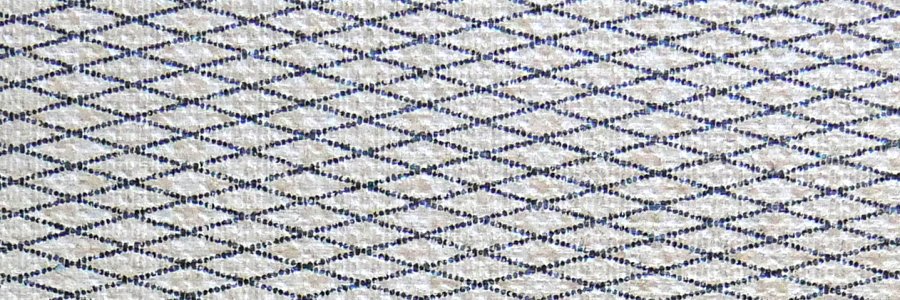
Above, genuine rexine from 1960.
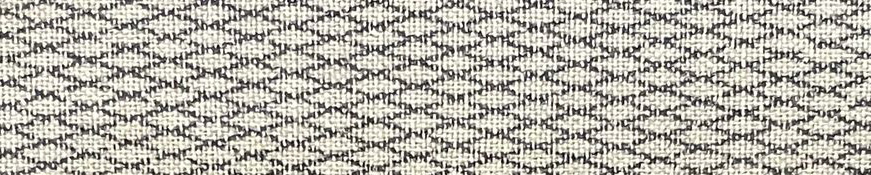
Repro rexine. Note its general crudeness.
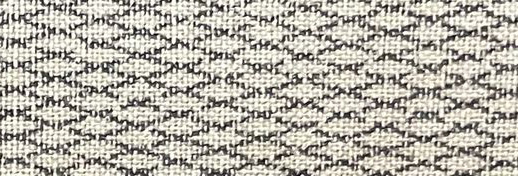
Closer detail of the repro rexine.
(2) thin material, a light weave pattern, as below. The colours used were: - cream, blue/grey, grey, and deep red. The amps in view, 1957-1961 - AC2/30, early AC2s, some AC10s, AC15s (particularly the two-tone ones), and certain early TV Front AC30 Twins.
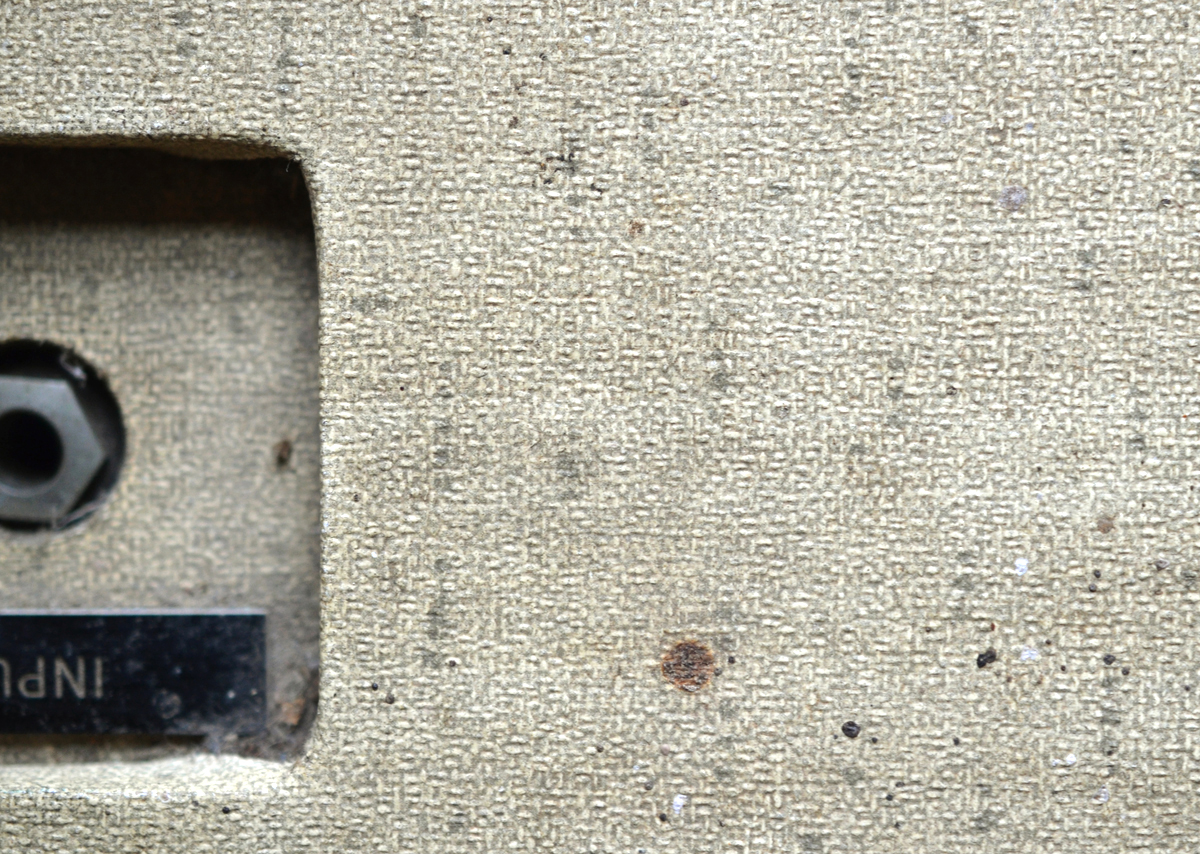
AC2 serial number 2027, very late 1960 or early 1961.
(3) fawn/beige/tan weave - last third of 1960 / early 1961 to mid 1963. Fine cotton backing, a second layer of cloth bonded to it and silk-screened. Used on all amplifiers, though no unified change-over from earlier cloths. Colour can be variable, environmental conditions and the history of the amp playing their part - off-white, pinkish, cream, more intense yellow

AC30/4, serial number 4402, early 1961. The familiar weave.
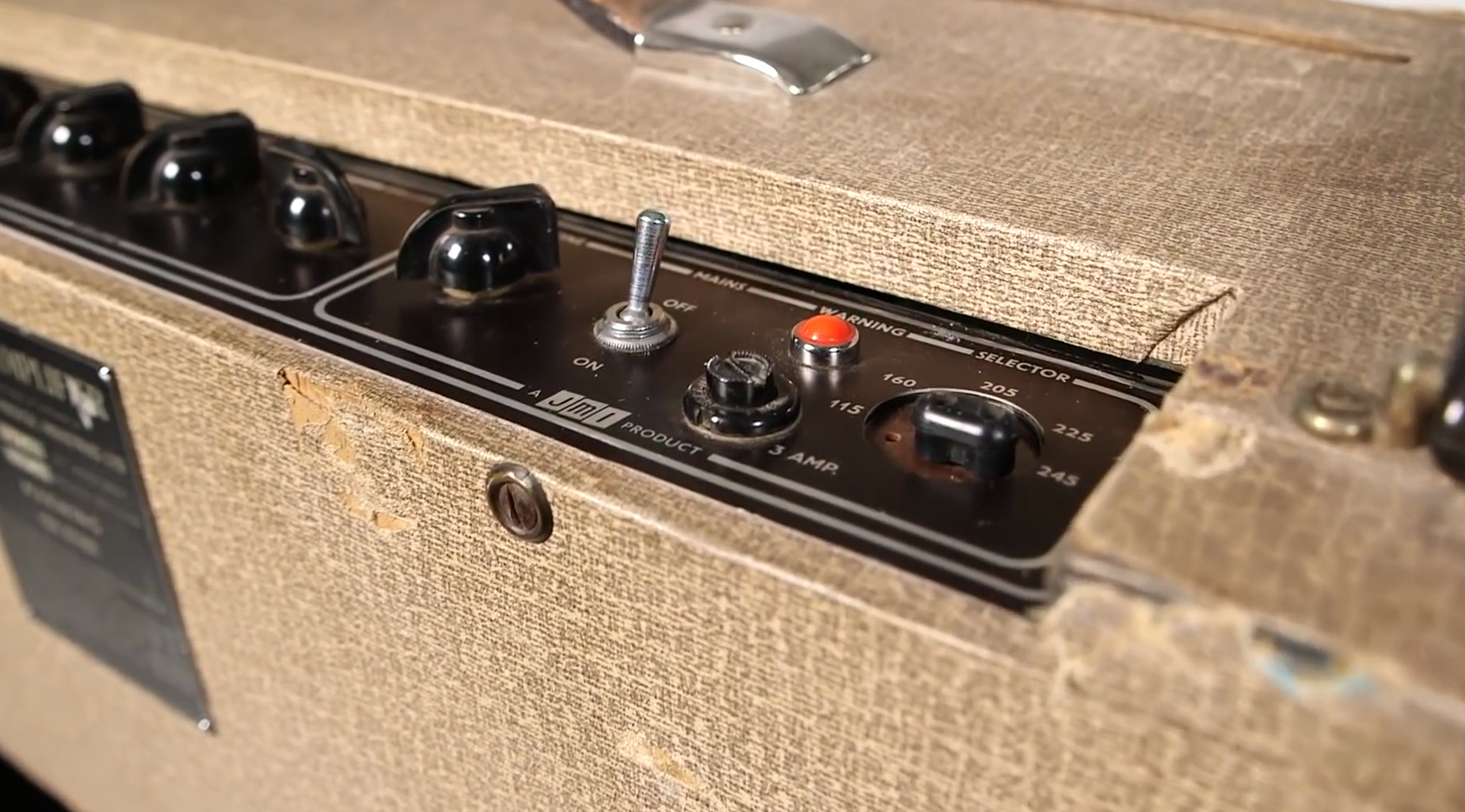
AC30/6, serial number 5048.
(4) a fourth type was occasionally employed in 1962 and 1963, similar to (2), but black:
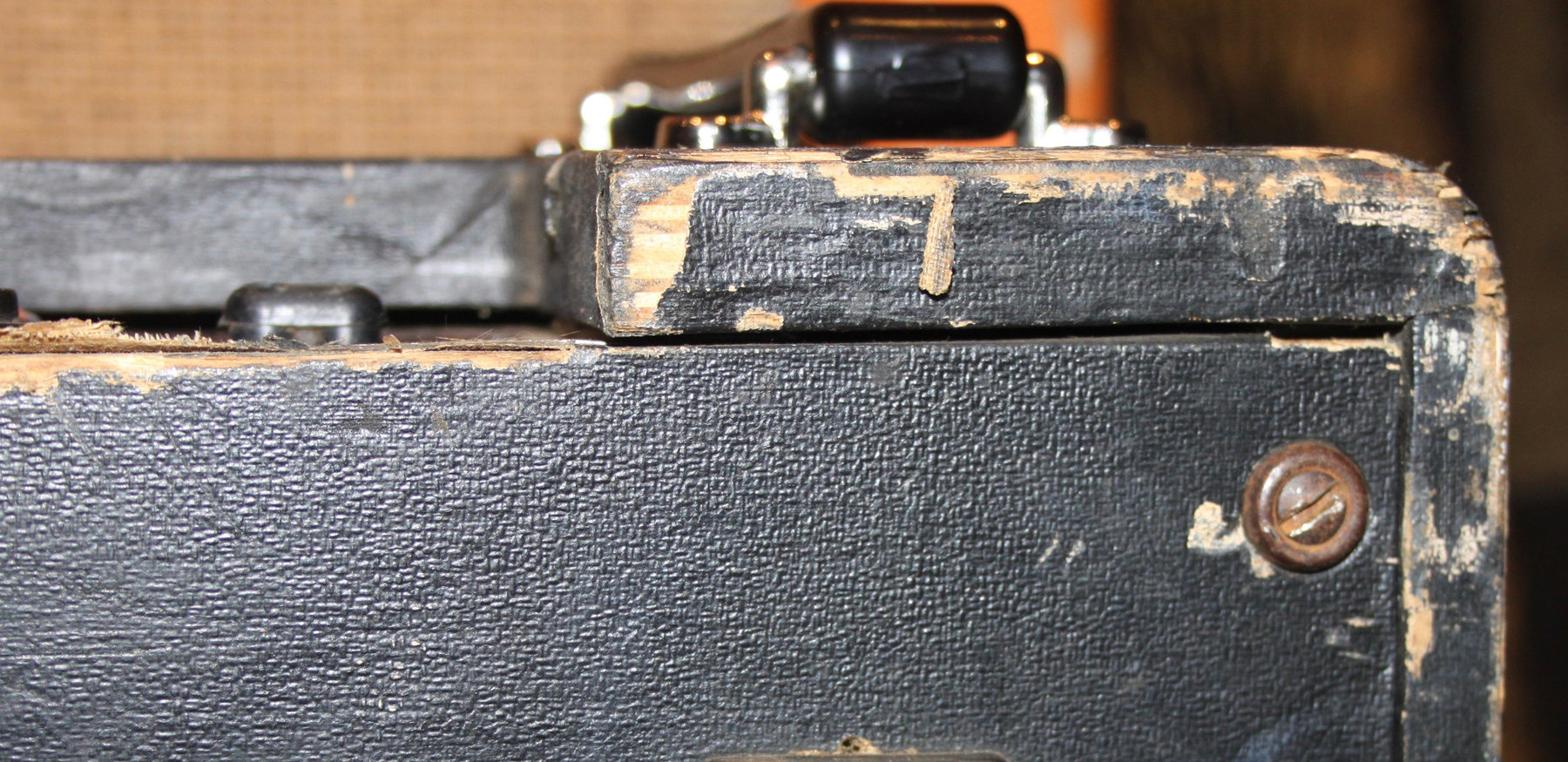
AC30 serial number 5650 - late summer 1962. The thin cloth was evidently not hardy enough to survive general rough and tumble.
(5) AC30s produced in custom colours, 1963-1965 - red, green, blue - were *probably* all covered in Rexine rather than Vynide. The material seems to be particularly thin (fine) in some instances. See this page. Note that Univoxes had sometimes been supplied in colours previously (in the late 1950s and early 60s) - red, green, and blue.
(6) faux alligator (brown) - mostly for Univox cabinets, but now and again for amplifiers. Possibly not Rexine though.
Vox Continental organ
The thin lightly patterned Rexine used on Vox Continental organ cases in late 1962 and 1963 has not been identified so far on AC30s, but it seemed worthwhile to include it here as a point of reference.

Vox Continental covering, mid 1963.
VYNIDE (black cloth) - 1961 to 1963
Generally thicker in nature. Early on there are two main types: smooth (glossy) with fine patterning; dimple/pebble pattern.
1) heavy material, glossy surface, small embossed striations (seeming to run diagonally): -
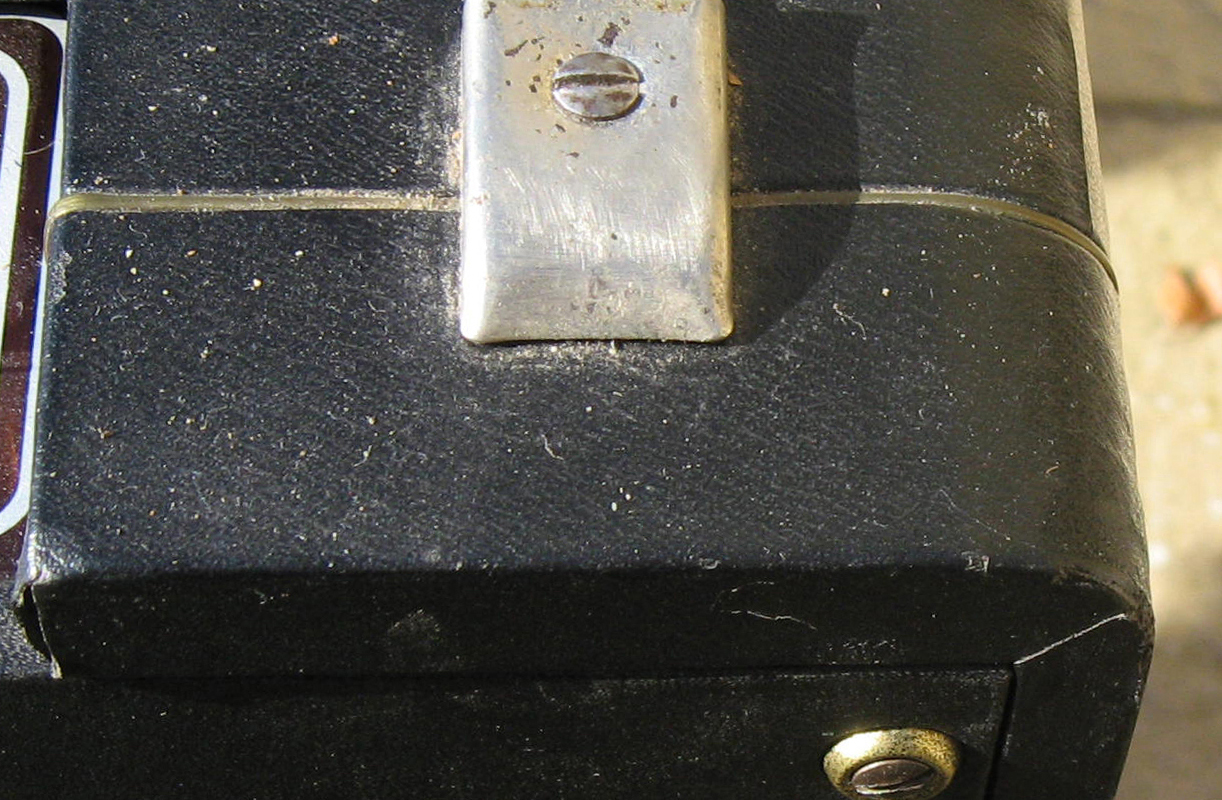
AC30 serial number 5937.
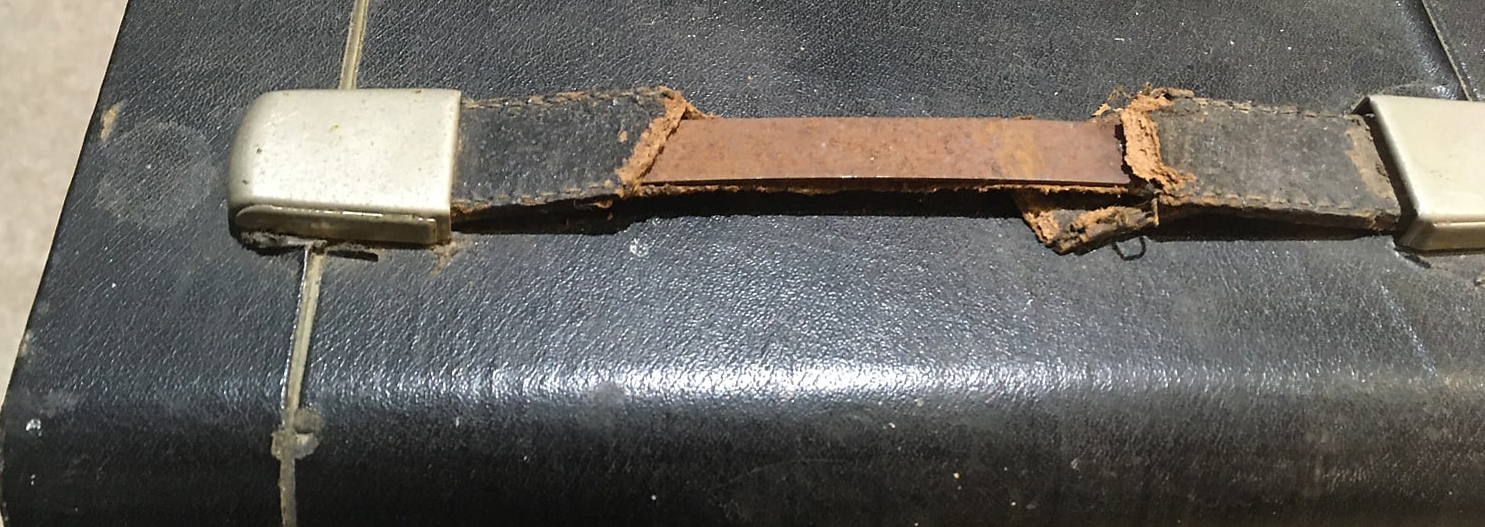
AC30 serial number 6372. Upper back board is in a different fabric, however - more akin to pebble/dimpled vinyl (as below).
Other examples in the 6000s are serial numbers 6534, 6731N, 6792N, and 6920. It may be that the AC30/6s issued to The Shadows in early May 1961 were covered in this type of Vynide cloth. However, it could equally well have been black Rexine - impossible to say for certain at this distance in times.
2a) heavy material, light (flat) pebble or dimple pattern - in bookbinding this is "Levant": -

AC30 serial number 6639.
Other examples in the 6000s are 6822, 6887, 6928, 6929, and 6948.
2b) a rougher (sharper) type of pebble/dimple appears on amps with serial numbers in the 7000s: -
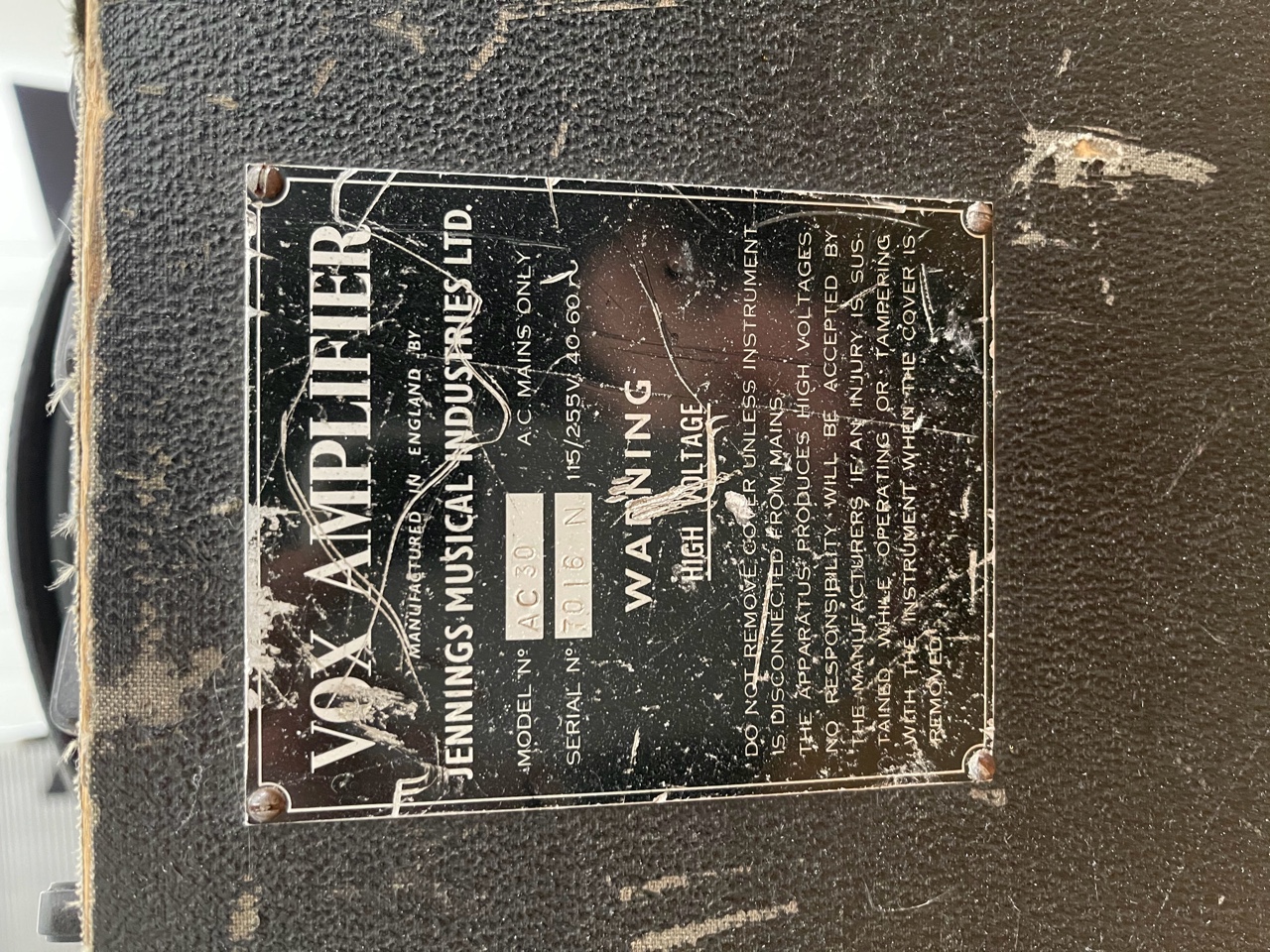
AC30 serial number 7016.
Further examples: serial number 7005, upper back board probably this material; and serial number 7316, again, upper back board. Possibly also the back boards of Super Twin amplifier sections serial numbers 7167N, 8177N and 8423N.
Black Basketweave
Produced specially for JMI by ICI (as reported by Mick Bennett of the JMI custom shop to Jim Elyea, p. 149 of his book). Seems to appear first in the 8000s. Serial numbers 8138B and 8142 are possibles, though it may be that these are in fact recovers. So too number 8432. But 8648 and 8739 look fine.
to be continued...